The open-source personal AI assistant that first went viral as Clawdbot has settled on yet another new identity. After briefly operating under the name Moltbot following a trademark dispute, the project has now rebranded as OpenClaw, marking what its creator says is the final name change.
The earlier rebrand was triggered by a legal challenge linked to Anthropic’s AI model Claude. While the latest name change was not prompted by any external complaint, project creator Peter Steinberger said he took extra care to avoid future issues. The Austrian developer said trademark checks were carried out in advance, and permission was sought where necessary before finalising the new name.

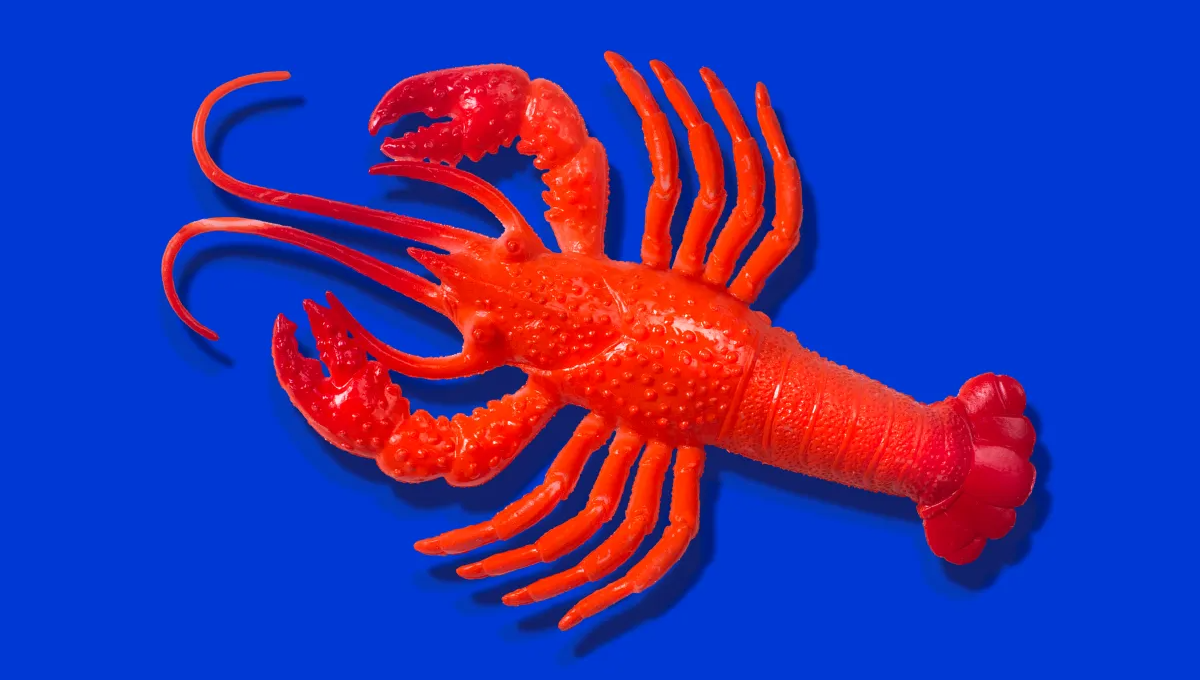
Steinberger described the rebrand as a natural evolution, using a lobster metaphor to explain the transition. The idea of molting — how lobsters grow — had influenced the previous name as well, but he later admitted it never felt quite right. The community appeared to agree, prompting the switch to OpenClaw.
Despite the shifting identity, the project’s growth has been rapid. In just two months, it has attracted more than 100,000 stars on GitHub, a signal of strong interest among developers. Steinberger said the new name reflects the project’s open-source roots and the growing role of its community, noting that OpenClaw has expanded well beyond what he could manage alone.
OpenClaw’s rapid rise brings security concerns into focus
That community has already produced unexpected experiments. One of them is Moltbook, a platform where AI assistants interact with each other, share information and discuss topics ranging from software automation to media analysis. The idea has drawn attention from prominent figures in the AI world, who have described the emergence of AI-only social spaces as unusual and striking.
Developers exploring Moltbook have noted that AI agents operate through downloadable instruction files that define how they interact with the platform. The system allows agents to post in topic-based forums and periodically check for updates. While the setup has impressed researchers, some have also warned that allowing AI systems to pull instructions from the internet introduces real security risks.
Steinberger began working on Clawdbot after stepping away from his previous company and returning to personal projects involving artificial intelligence. What started as an experiment has since grown into a collaborative effort. He recently added several contributors from the open-source community as official maintainers to help manage the project’s rapid expansion.
The long-term goal of OpenClaw is to give users a personal AI assistant that runs locally on their own computer and works inside familiar chat applications. For now, however, the project is best used in controlled environments. Even its creators caution against connecting it to primary messaging accounts due to unresolved security challenges.
Security remains a central concern, and Steinberger has acknowledged that some risks, such as prompt injection attacks, remain unsolved across the industry. Recent updates released alongside the rebrand include incremental security improvements, but users are still advised to follow strict best practices.
Because those safeguards require technical expertise, OpenClaw is currently aimed at experienced developers rather than general users. Project maintainers have repeatedly warned that the software can be dangerous if used without a solid understanding of command-line tools and system permissions.
To support further development, OpenClaw has begun accepting sponsorships, offering tiered plans with themed names. The funds are not kept by Steinberger personally, but are intended to support contributors, with the aim of eventually compensating maintainers on a full-time basis.
The project has already attracted backing from experienced engineers and startup founders, many of whom see open-source tools like OpenClaw as a way to make advanced AI more accessible. Supporters argue that putting powerful AI systems into users’ hands — responsibly and transparently — is essential for the next phase of innovation.
Also Read: Dell Teams Up With NxtGen to Build India’s Largest AI Factory