Space tech startup Pixxel is teaming up with Sarvam to build something quite unusual—an orbital data centre satellite that could launch as early as late 2026.
Called Pathfinder, the satellite will be completely handled by Pixxel, from building it to sending it into space and running it. Sarvam, on the other hand, will bring in the AI layer. Together, they want to run powerful AI models directly in orbit, without relying on data centres back on Earth.
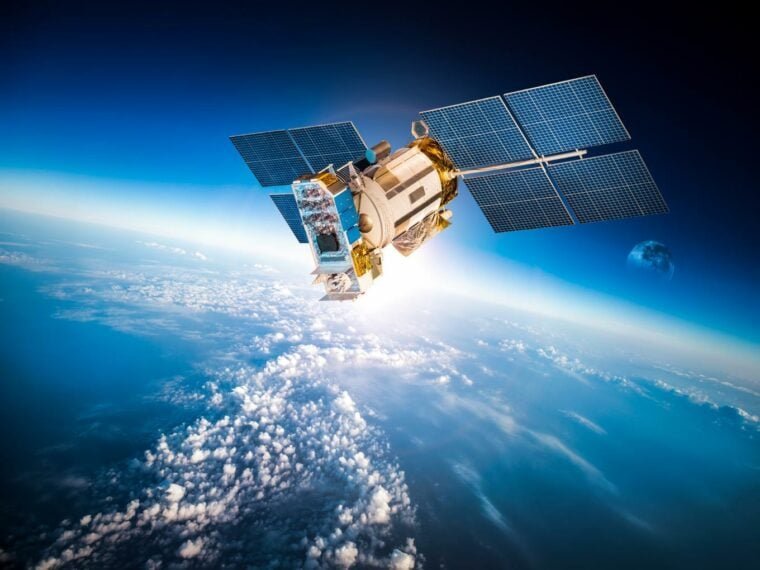
This is where it gets interesting. Unlike regular satellites that use lightweight processors, Pathfinder will carry high-end GPUs—the kind you’d normally find in large data centres. At roughly 200 kg, it will also include Pixxel’s hyperspectral camera, allowing it to capture highly detailed images of Earth and analyse them instantly in space.
Instead of sending massive raw data back to Earth, the satellite will process everything up there and send only useful insights. That means faster results and less data traffic. The technology could be used for tracking environmental changes, managing resources, or even monitoring infrastructure.
Pixxel believes data centres on Earth are becoming harder to scale due to energy demands, land limitations, and regulations. Moving some of that computing into space—where solar energy is abundant and data is already being generated—could ease that pressure.

For Sarvam, the project is also about control and independence. Running India-built AI models on an India-built satellite in orbit is being seen as an important step toward owning critical technology infrastructure.
The mission will also serve as a test—checking how well AI systems perform in space, including how they handle power, heat, and data processing. If it works, it could open the door to a whole new kind of computing network in orbit.
The satellite will be built at Gigapixxel, Pixxel’s upcoming facility designed to scale production to around 100 satellites.
Meanwhile, other companies are thinking along similar lines. Agnikul Cosmos and NeevCloud are also working on an orbital AI data centre, with plans to test it around 2026. Their idea involves turning rocket upper stages into computing units in space, with NeevCloud handling the AI side.
Taken together, these efforts hint at a bigger shift—where computing doesn’t just stay on Earth, but starts moving closer to where the data is actually created.
Also Read: Sarvam Releases Open-Weight Models Debuted at AI Summit, Compared With DeepSeek and Gemini