For most of the AI boom, Nvidia’s chips have been everywhere. Nearly every large-scale AI system — whether for text, images, or other applications — has relied on its processors to function.
That pattern is still largely intact, but cracks have begun to show. Over the past year, two of the tech industry’s most powerful companies have quietly started pulling some workloads away from Nvidia, despite being among its biggest customers.

Amazon and Google Begin Testing Life Beyond Nvidia
Amazon made the first visible move. It installed large numbers of its own AI chips across data centers in Indiana, where the hardware is now being used by Anthropic, one of the leading AI model developers. The shift signals Amazon’s growing confidence in chips it designs itself.
Google has taken a similar approach. As Anthropic builds new data centers in states such as New York and Texas, Google has been supplying its own chips for those facilities, according to people familiar with the arrangements.
Many companies have tried to challenge Nvidia over the years. Traditional chipmakers, new startups, and even other tech giants have all entered the race. Most failed to gain scale. Amazon and Google are different because they control both the chips and the cloud platforms where AI models run.

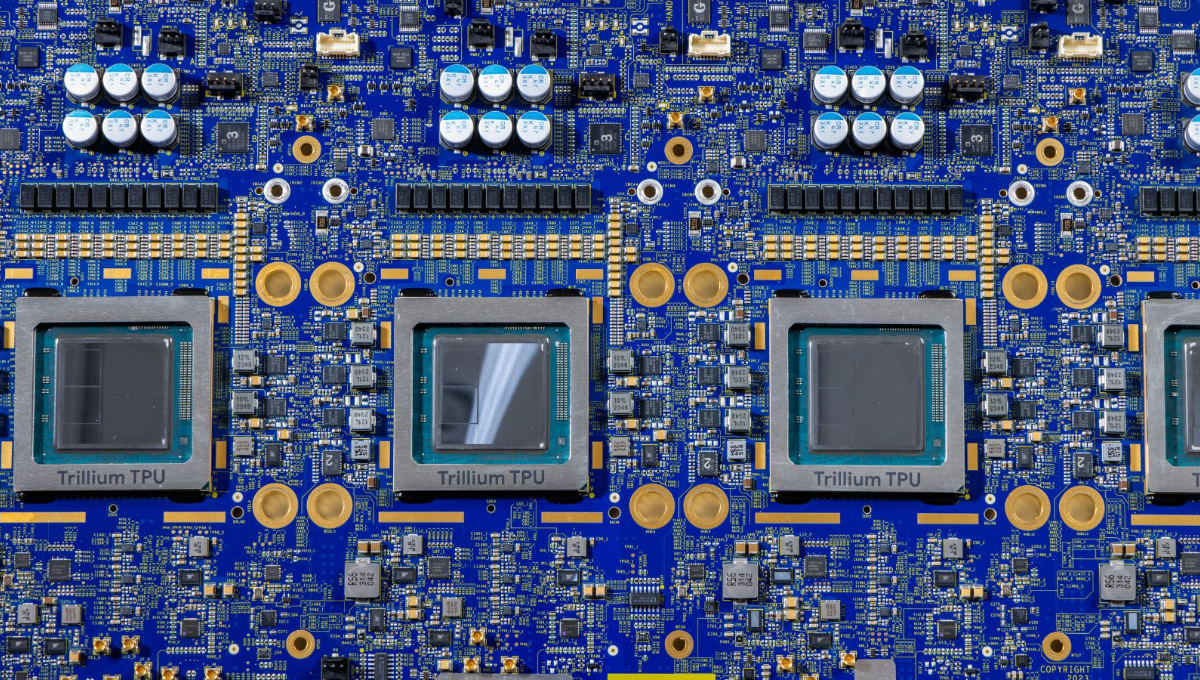
That advantage is showing up in revenue. Amazon’s AI processor, Trainium, brought in several billion dollars in 2025, according to comments made by the company’s leadership. Google’s tensor processing units, known as TPUs, generated far more, with revenue reaching into the tens of billions.
Nvidia, however, remains firmly in control of the market. The company still accounts for more than 90 percent of global sales of high-end AI chips, and its AI-related revenue climbed close to $200 billion last year. No rival has yet come close to matching its reach.
Anthropic continues to depend heavily on Nvidia hardware, as do most AI companies. At the same time, it has been working to reduce its reliance on a single supplier. That effort has directly benefited Amazon and Google, which are also Anthropic’s largest investors.
Industry observers say the real significance may lie in what comes next. As more AI systems run successfully on non-Nvidia chips, it weakens the long-held belief that Nvidia hardware is the only practical option. Over time, that shift could reshape how AI infrastructure is built — and who controls it.
Also Read: Sensesemi Raises ₹25 Cr in Seed Funding to Build Edge AI Chips