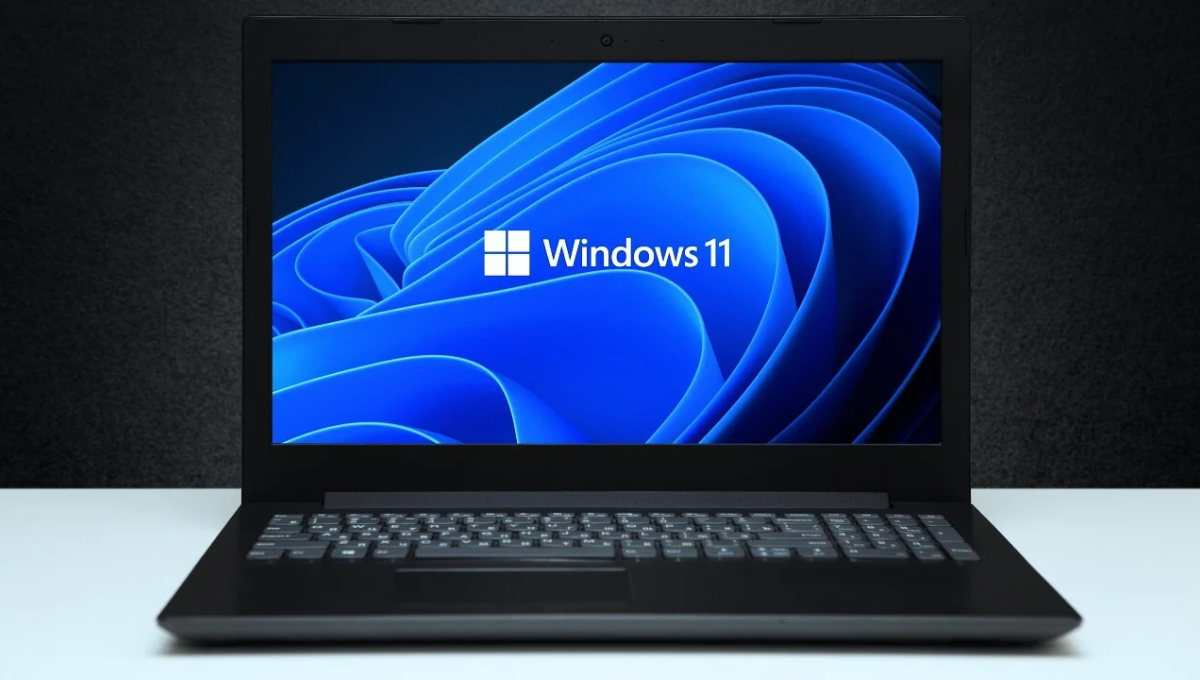
Microsoft and NVIDIA have revealed a new category of Windows PCs designed to handle advanced AI tasks directly on the device. Powered by NVIDIA’s new RTX Spark superchip, these systems aim to make running AI models and AI agents on personal computers faster and more practical.
The announcement came at NVIDIA GTC Taipei, where the two companies outlined their plans to bring more AI capabilities to Windows without relying entirely on cloud-based services.

RTX Spark combines the CPU, GPU, and memory into a single platform built for AI computing. Microsoft said creators, developers, and professionals increasingly need hardware that can manage demanding AI workloads alongside graphics-heavy applications and everyday tasks.
Future AI features powered by RTX Spark will be built into the Windows experience, allowing users to access them directly through the operating system.
NVIDIA says the chip can deliver up to one petaflop of AI performance. It is based on the company’s Blackwell RTX architecture and includes an Arm-based processor developed with MediaTek. The platform also supports up to 128GB of unified memory, helping large AI models run locally on a PC.

A major focus of the partnership is enabling AI agents to work directly on Windows devices. To support this, NVIDIA is bringing its OpenShell framework to Windows. The framework allows AI agents to connect with applications and system tools while operating within Microsoft’s security controls.
The companies said agents such as Hermes Agent and OpenClaw will be able to perform tasks locally, reducing the need to send data to cloud services. Microsoft added that users will have clear visibility into what these agents can access and will remain in control of permissions.
The first PCs powered by RTX Spark are expected to launch this fall. Devices will come from several major manufacturers, including Microsoft Surface, ASUS, Dell, HP, Lenovo, and MSI. Both laptops and compact desktop systems are planned.
The launch marks NVIDIA’s latest move into the Windows PC market, an industry long led by Intel, AMD, and Qualcomm. Reports about NVIDIA developing Arm-based chips for Windows devices first surfaced a few years ago, and RTX Spark now represents the company’s most significant step toward bringing that vision to market.
Also Read: Microsoft Scales Back Copilot AI Features on Windows