When equipment fails inside a semiconductor fabrication plant, the impact is immediate. Production slows, engineers scramble, and every passing hour adds to the cost. But while chip manufacturing itself is highly advanced, the process of figuring out why something broke is often surprisingly manual.
That’s the gap ThirdAI Automation wants to address.

The startup has raised $3 million in seed funding in a round co-led by Endiya Partners and Capria Ventures. Based in San Francisco with expanding operations in India, the company says it will use the capital to strengthen its product, grow its teams across geographies, and scale deployments with semiconductor equipment manufacturers and fabs.
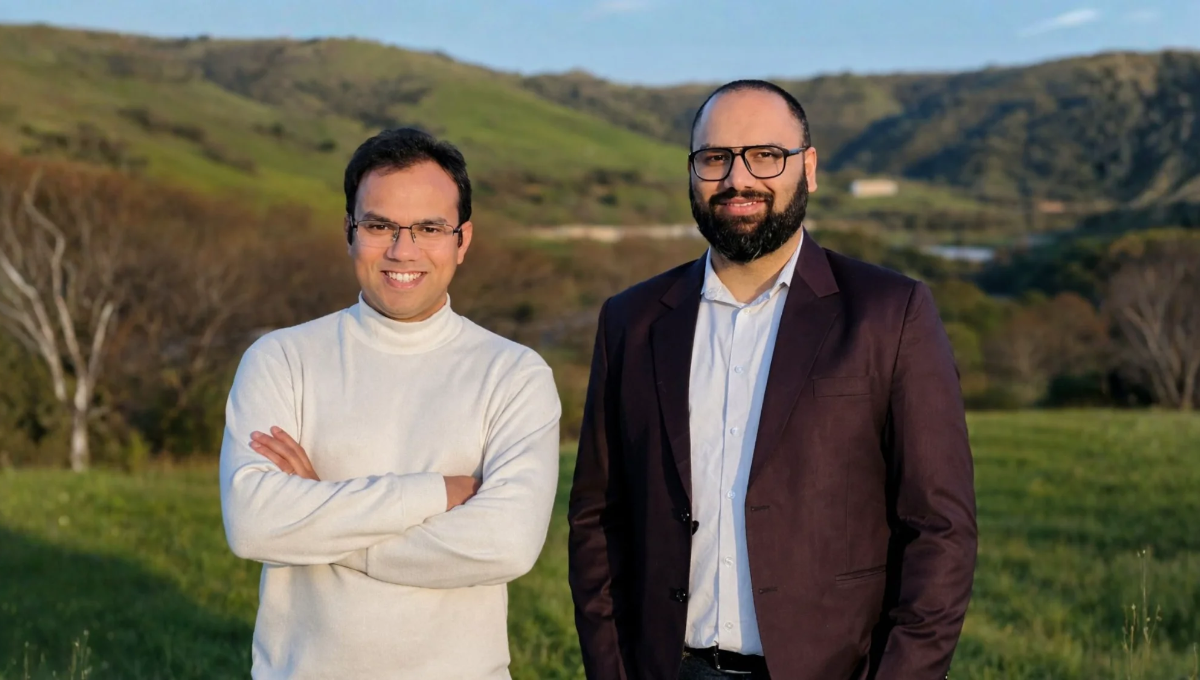
Founded in 2024 by Vivek Vishwakarma and Sainyam Galhotra, ThirdAI is building a platform focused on root cause analysis — the investigative process engineers follow after a failure occurs. In many fabs, a single incident can take 20 to 40 hours to fully diagnose. Engineers typically sift through machine logs, sensor readings, images, and operational data to piece together what happened.
Although many existing tools can flag unusual patterns or predict potential breakdowns, they often stop short of explaining the underlying cause once production is disrupted.

ThirdAI’s system is built around causal AI. Instead of only detecting anomalies, it connects scattered data points and maps how one event may have triggered another. The platform links equipment logs, sensor signals, and operational records to surface cause-and-effect relationships directly at the equipment level.
According to the founders, the data required to solve most downtime issues already exists inside the fab. The challenge is that it is fragmented and time-consuming to interpret. By organizing that information into a clearer chain of events, the company aims to help engineers reach conclusions faster and reduce the length of investigations.
In pilot programs and production settings, ThirdAI reports up to an 80% reduction in diagnostic time and around 90% accuracy compared with expert-led workflows. It also claims its deployments cost 30 to 50% less than traditional custom analytics systems.
Investors say root cause analysis remains one of the least automated parts of industrial operations. If AI can consistently shorten diagnosis cycles, the benefits could extend beyond semiconductors into industries such as power generation, utilities, and chemical manufacturing, where equipment reliability directly affects output.
With fresh funding secured, ThirdAI plans to expand further into live fabrication environments and deepen partnerships with equipment makers. As semiconductor production becomes more complex and capital-intensive, companies are under growing pressure to protect uptime and yield.
For a startup founded just last year, the challenge is significant. But in an industry where minutes matter, making failure analysis faster and more precise could offer a meaningful advantage.
Also Read: TCS and AMD Partner to Take Enterprise AI Beyond Pilot Projects