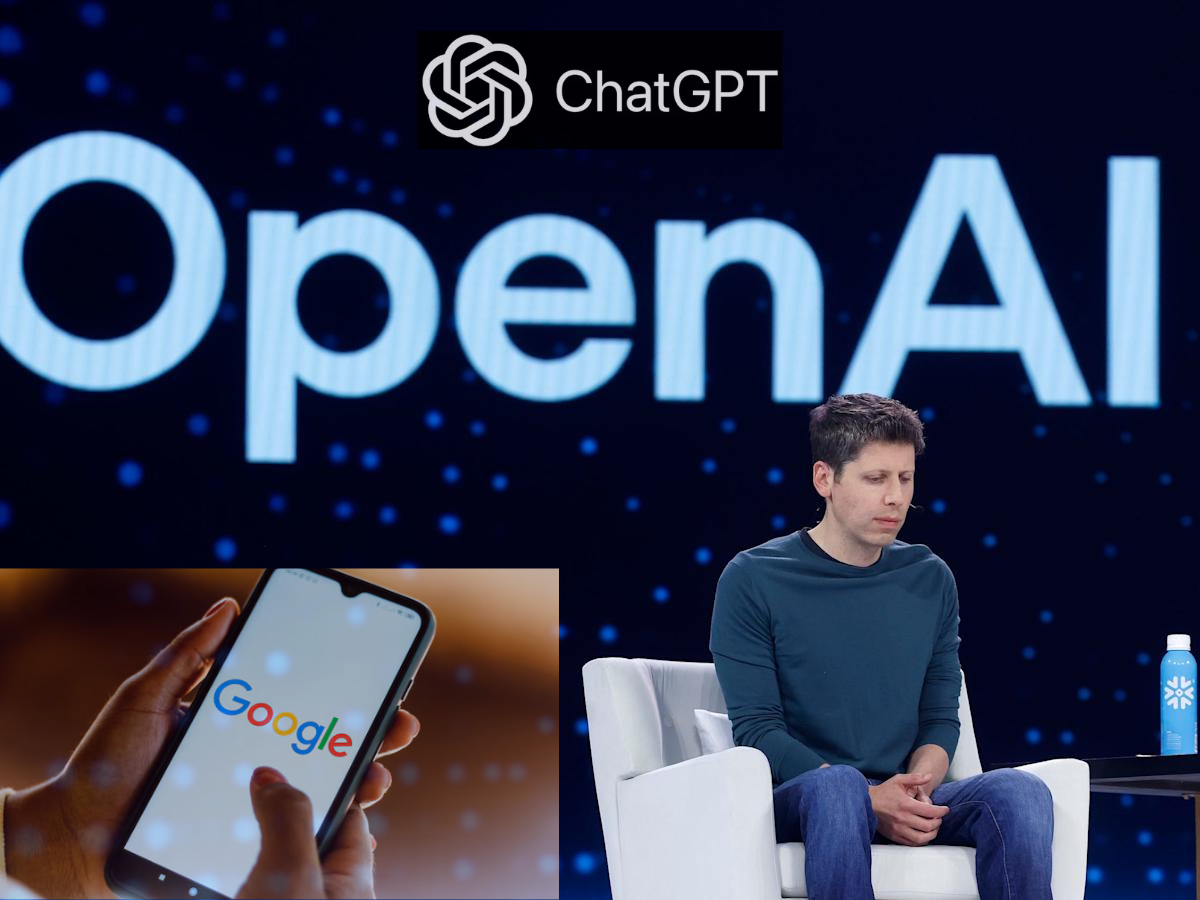
Former OpenAI vice president of research Jerry Tworek has suggested that Google’s recent resurgence in artificial intelligence is largely the result of OpenAI failing to capitalise on its early dominance.
Tworek, who stepped down from his role earlier this month, reflected on the shifting balance of power in frontier AI during a recent interview. He argued that OpenAI, which transformed consumer AI with the launch of ChatGPT, allowed its significant lead to narrow at a critical moment — giving rivals, especially Google, the opportunity to catch up.

Over the past year, Google has made rapid progress in advanced AI model development. While OpenAI once clearly led the race, industry observers now believe the gap between the two has shrunk dramatically, with some suggesting Google may have surpassed OpenAI in certain technical capabilities.
How OpenAI Lost Its Early Advantage as Google Closed the AI Gap
Tworek joined OpenAI in 2019 when the organisation was still a small research-focused team of roughly 30 people. Over the years, he became closely associated with several major breakthroughs, including the development of advanced reasoning-focused model families. Despite not pointing to a single defining mistake, Tworek maintained that OpenAI failed to fully leverage the massive advantage it gained after ChatGPT’s global success.
“If you’re ahead with all the structural and technical advantages OpenAI had, the goal should always be to stay ahead,” he said, adding that Google responded decisively once it recognised the seriousness of the moment. According to Tworek, Google doubled down on large-scale model training and executed consistently, allowing it to rapidly close the capability gap as OpenAI stumbled.
His remarks come as OpenAI faces growing pressure on multiple fronts — from intensifying competition to increased scrutiny over data usage and user privacy practices.
Tworek also shared broader concerns about the current direction of AI research. He believes the fierce commercial race has changed how research is conducted, forcing companies to prioritise user growth, revenue, and expensive computing resources over riskier, long-term experimentation. As a result, organisations may be less willing to pursue bold ideas that do not offer immediate returns.
In his view, achieving artificial general intelligence will require fundamentally new and radical approaches, and he believes such a breakthrough could still be several years away, possibly around 2029.
The comments echo sentiments expressed by other industry leaders this week. Microsoft CEO Satya Nadella described competition in AI as extremely intense but ultimately healthy, suggesting its long-term impact should be measured at a national economic scale. DeepMind CEO Demis Hassabis also characterised the current AI landscape as the most competitive environment seasoned technologists have ever experienced.
Also Read: OpenAI Introduces Age Prediction on ChatGPT to Strengthen Teen Safeguards