
Cursor is focusing on a problem most developers don’t talk about much, but feel all the time—slow searches when working with AI coding tools. Its latest update brings a local indexing system that quietly speeds things up, helping AI agents find the right code without going through every single file again and again.
As these coding assistants write and debug code, they keep searching across the project to understand what’s going on. In smaller codebases, that’s fine. But in larger ones, especially big monorepos, those repeated searches can slow everything down.

Cursor’s fix is pretty practical. Instead of searching the whole codebase every time, it prepares things in advance by creating an index. So when a search happens, it already knows where to look first. It filters out most of the files early and only runs deeper checks on a smaller, more relevant set.
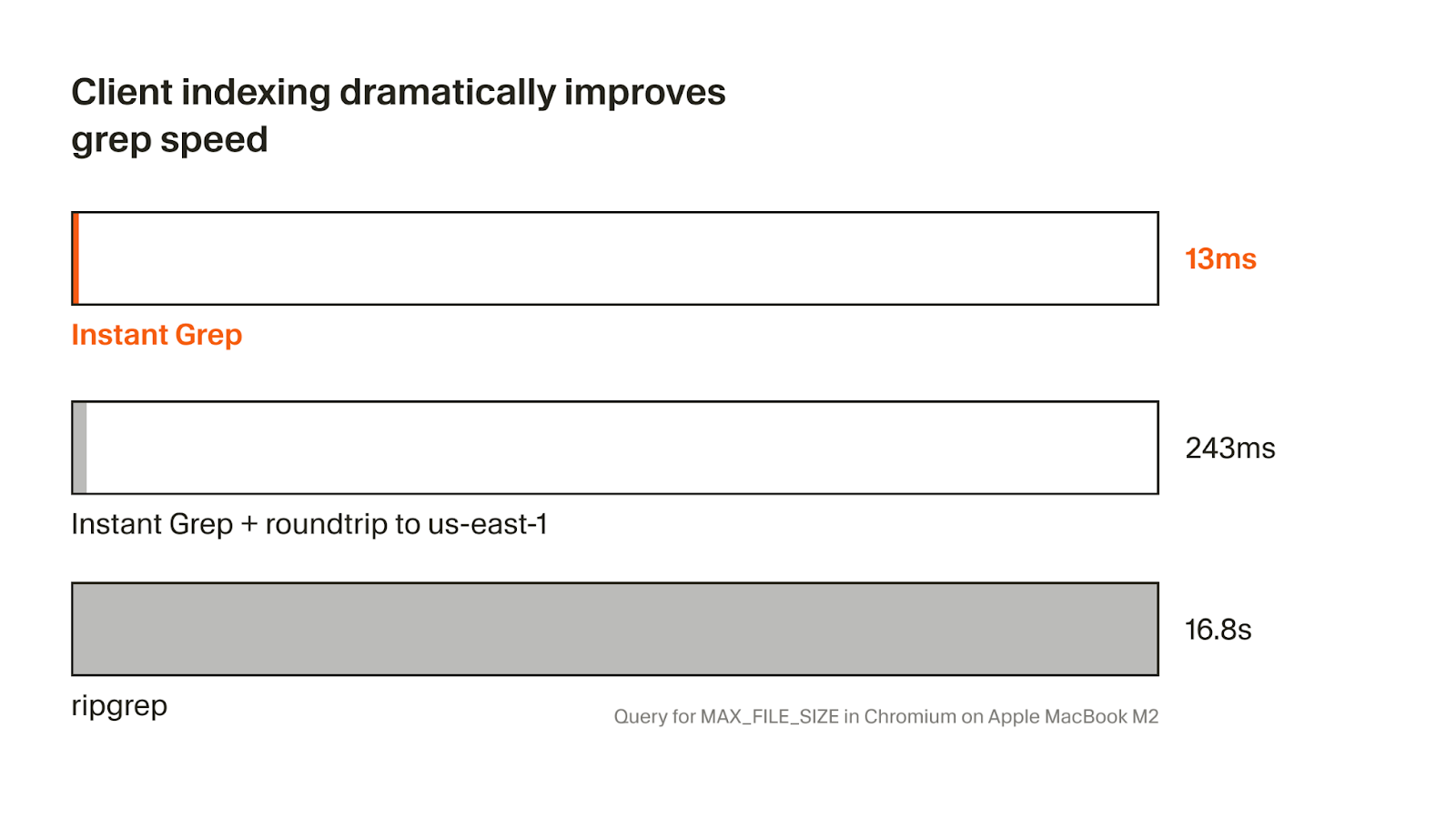
That small shift makes a big difference. According to Cursor, what used to take over 16 seconds can now happen in just milliseconds. It’s the kind of improvement you don’t notice as a feature—but you definitely feel while working.
Interestingly, even with newer AI-driven search methods, regular expressions still matter. Some searches need exact patterns, and regex is still the best way to handle those cases.

The system itself relies on breaking text into tiny chunks and organizing them in a way that makes searching faster and more precise. It also uses a few extra tricks to avoid scanning unnecessary files, keeping things efficient.
Another important part of this update is that everything runs locally. That means faster response times, no need to send code anywhere, and results that always reflect the latest changes. It also fits naturally with how AI agents work, since they often run multiple searches at once while editing code.
Overall, this isn’t a flashy upgrade—it’s more of a behind-the-scenes improvement. But for developers using AI tools every day, it could make the entire experience feel smoother and a lot less frustrating.
Also Read: Cursor AI Agents Solve Research-Level Math Challenge After Four Days of Autonomous Work