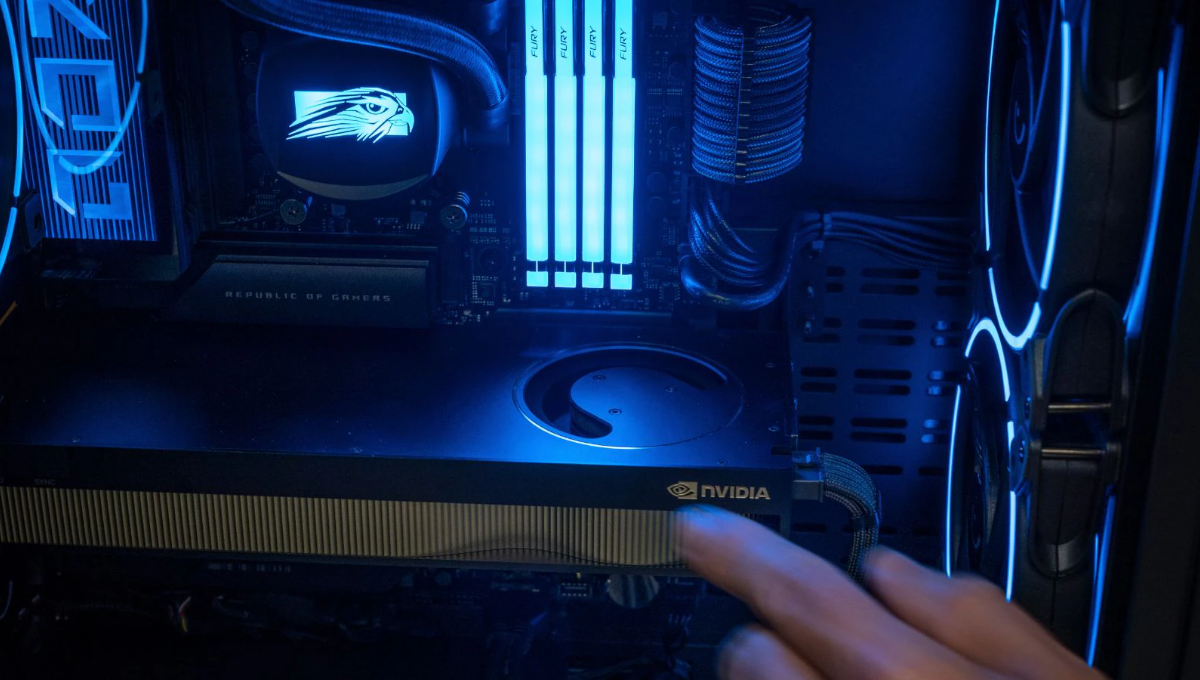
For 34 years, Kelt Reeves has built powerful personal computers for customers who want top-tier performance and are willing to pay for it. His company assembles machines to order, often packed with large amounts of memory that help systems handle demanding games and professional software.
That key component has become far more expensive in recent months. As major technology companies expand artificial intelligence operations, they are buying vast quantities of memory chips for new data centers. Since late summer, prices for these chips have surged, in some cases tripling. The increase has pushed Reeves to raise prices on several high-end desktops, with some systems now costing more than $7,000, up from about $5,800.

Reeves says the current situation does not resemble past price swings. Demand is being driven almost entirely by AI projects, and there is little confidence that costs will fall in the near term.
Memory Makers Shift Focus Toward AI Infrastructure
The pressure on memory supplies is one of the less visible outcomes of the AI expansion. While processors often grab headlines, memory plays a central role in how quickly AI systems operate. Companies building these systems are purchasing premium memory products in bulk, leaving fewer chips available for consumer devices such as laptops, desktops, and smartphones.
Because AI customers are willing to pay more, manufacturers are directing more production toward them. Supplies for consumer electronics have tightened, and prices have climbed as a result. Analysts estimate that memory-related costs could raise the price of an average personal computer by more than 20% compared with last year.

Some large technology firms have already indicated that higher component prices may slow PC sales.
Higher Memory Prices Spread Through the PC Market
Memory chips have historically gone through boom-and-bust cycles. In earlier years, overproduction caused prices to crash, forcing several companies out of the market. Today, only a few major suppliers dominate the sector, and they are benefiting from steady demand linked to AI development.
At the same time, AI systems require far larger amounts of memory than traditional computers. New designs that place memory closer to processors help improve speed but are harder to manufacture at scale. Until new factories come online, supply constraints are expected to persist.
The impact is already being felt by consumers. Prices for common memory kits have more than doubled since early fall, and average laptop prices have edged higher. Premium PC builders continue to attract buyers, but smaller vendors and budget shoppers face growing pressure.
Reeves says his business remains strong, though component prices change frequently. He is more concerned about customers who are shopping for lower-cost systems.
“Those buyers are going to have the hardest time,” he said.
Also Read: Airtable Steps Into the AI Agent Game With Superagent